 en
en







About the Department
Ophthalmology is a medical specialty that deals with the diagnosis, treatment, and follow-up of congenital, structural, infectious, or age-related problems in the eye and surrounding structures. Even the smallest complaints affecting visual quality can significantly hinder daily life. Therefore, regular eye exams are crucial for maintaining eye health.
What Does Ophthalmology Deal With?
Ophthalmologists handle both visual impairments and structural issues of the eye:
- Refractive errors such as myopia, hyperopia, and astigmatism
- Cataract
- Glaucoma (eye pressure)
- Macular degeneration
- Strabismus and amblyopia (lazy eye)
- Eyelid disorders
- Dry eye and allergic eye diseases
- Conjunctivitis (eye inflammation)
- Eye injuries and infections
- Retinal diseases due to diabetes or hypertension
- Retinal tears and detachment
What Are the Diagnostic Methods?
In our department equipped with modern technology, the following diagnostic methods are used:
- Visual examination with autorefractometer
- Eye pressure measurement (tonometry)
- Biomicroscopic examination
- Fundus (retina) examination
- Eye ultrasound
- Visual field test
- OCT (Optical Coherence Tomography)
- Fluorescein angiography
- Corneal topography
- Strabismus tests and pediatric eye screenings
What Are the Treatment Methods?
A medical or surgical treatment plan is applied according to the diagnosis:
- Eyeglasses and lens applications
- Drop and medication treatments
- Intravitreal injections (especially in diabetic retinopathy and macular degeneration)
- Cataract surgery (phacoemulsification technique)
- Glaucoma surgery or laser treatments
- Retinal treatments with laser
- Strabismus surgeries
- Eyelid and cosmetic eye surgeries
- Oculoplastic interventions
Pediatric Eye Health
Early diagnosis in children is crucial for preventing permanent vision loss. In particular:
- Strabismus
- Amblyopia (lazy eye)
- Congenital cataract
- Excessive tearing
How Often Should Eye Exams Be Done?
- 0–6 years: once a year
- 7–18 years: once every 1–2 years
- 18–40 years: once every 2 years
- Over 40 years: once a year (especially for glaucoma and cataract follow-ups)
When Should You Consult an Ophthalmologist?
- Blurry vision
- Eye irritation, itching, redness
- Sudden vision loss or flashes of light
- Double vision
- Swelling or drooping of the eyelids
- Vision problems accompanied by headaches
- Signs of strabismus
- After eye trauma
Department Doctors
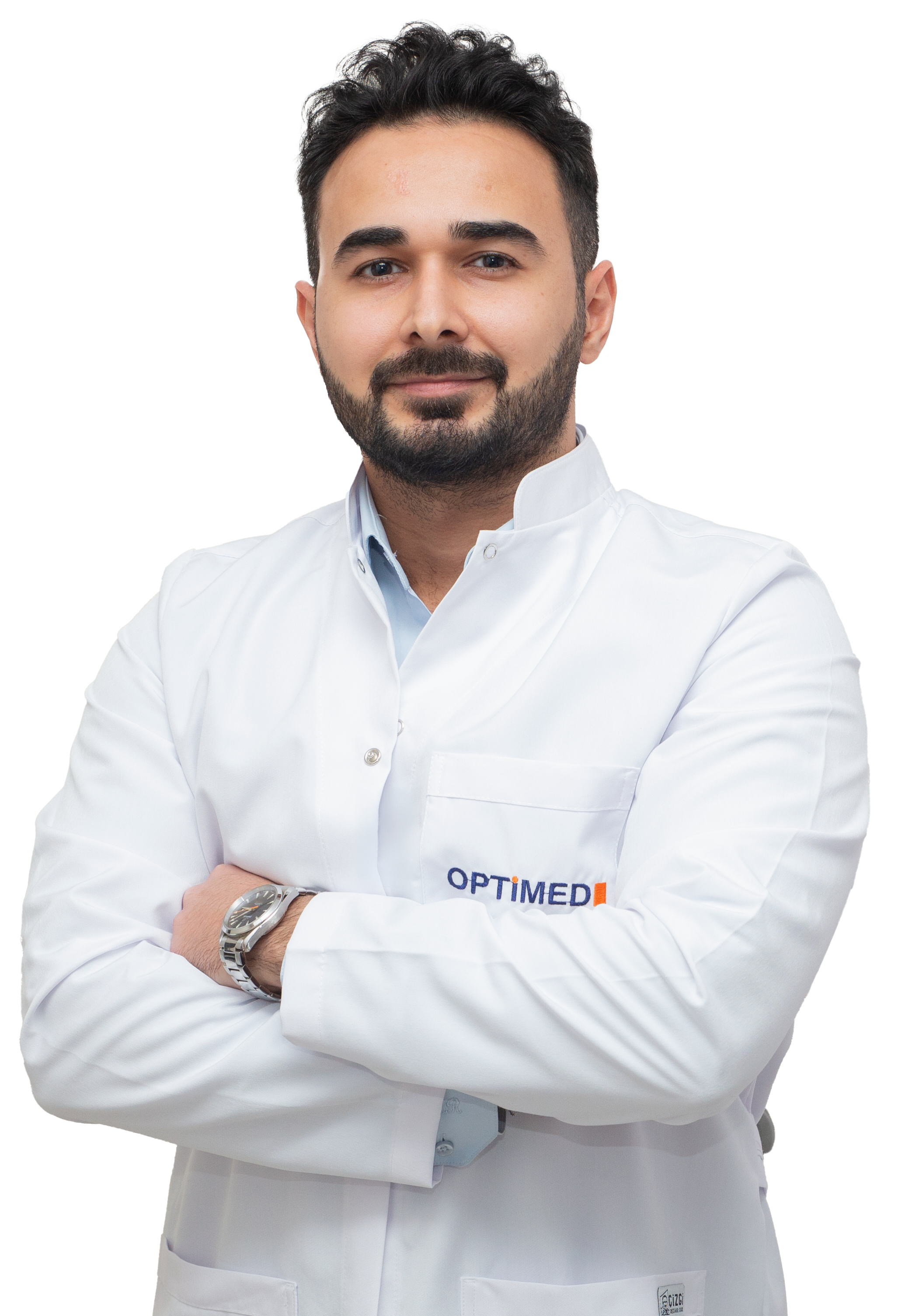
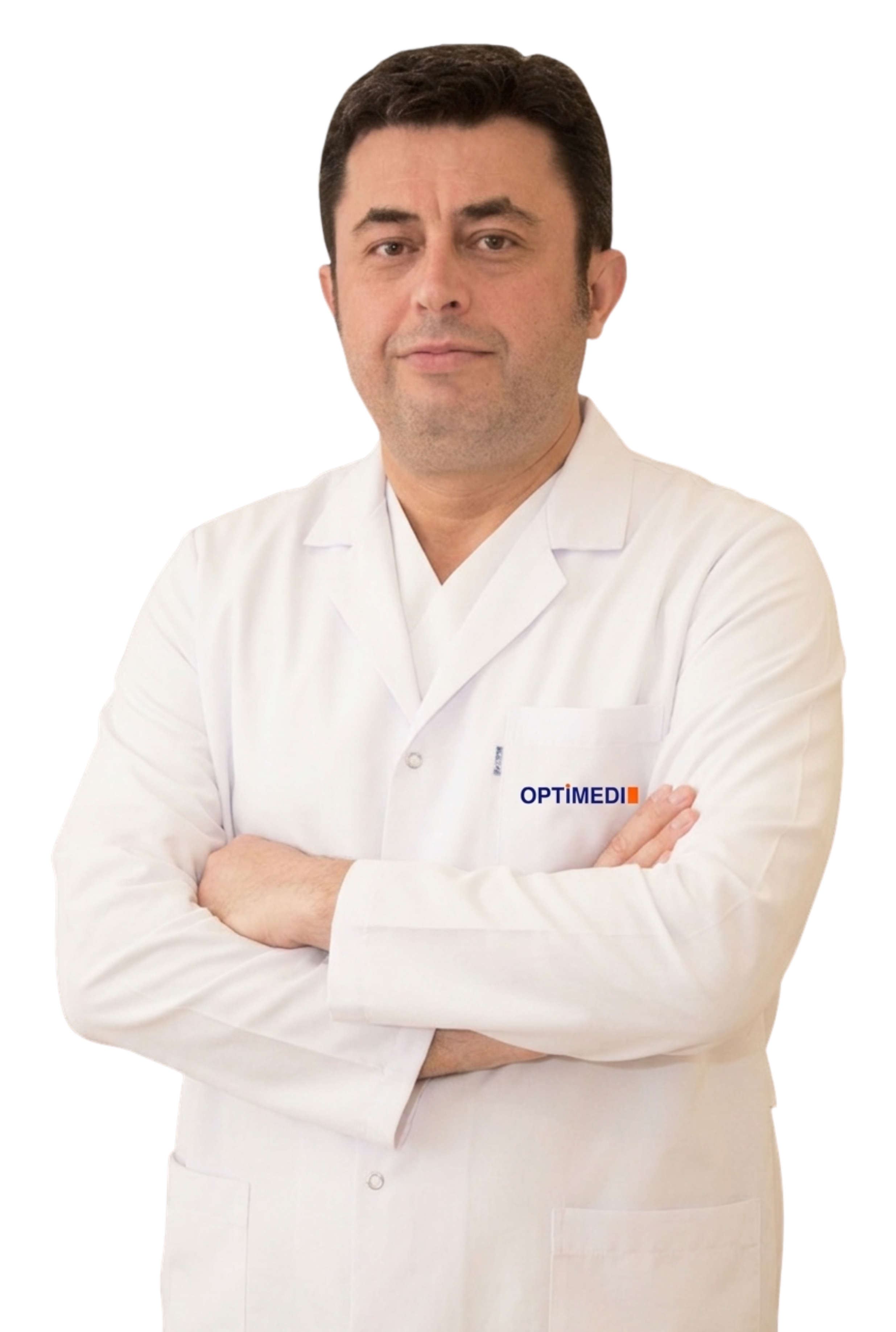


Transforming modern medical technologies into high-quality healthcare services by bringing together specialist physicians in their respective fields...
As a healthcare organization that respects patient rights and adheres to ethical values, our goal is to maintain the trust-based communication we have established, to make technological and scientific advancements available to our patients, to ensure the highest level of patient satisfaction, and to continue to provide worthy, uninterrupted healthcare services to our people through collaboration with our employees.
All rights belong to Optimed Health Group.
Last updated: [01.03.2026]
The information on our website is not intended to guide individuals towards diagnosis or treatment. Do not proceed with any diagnostic or treatment procedures without consulting your doctor. The content does not include information regarding Optimed Health Group's therapeutic health services.
Last Updated: March 1, 2026
Web Design:
Project Consultant:
Project Consultant: